How to Integrate Private Bare Metal Servers into Your Hybrid Cloud Deployment to Cut Costs
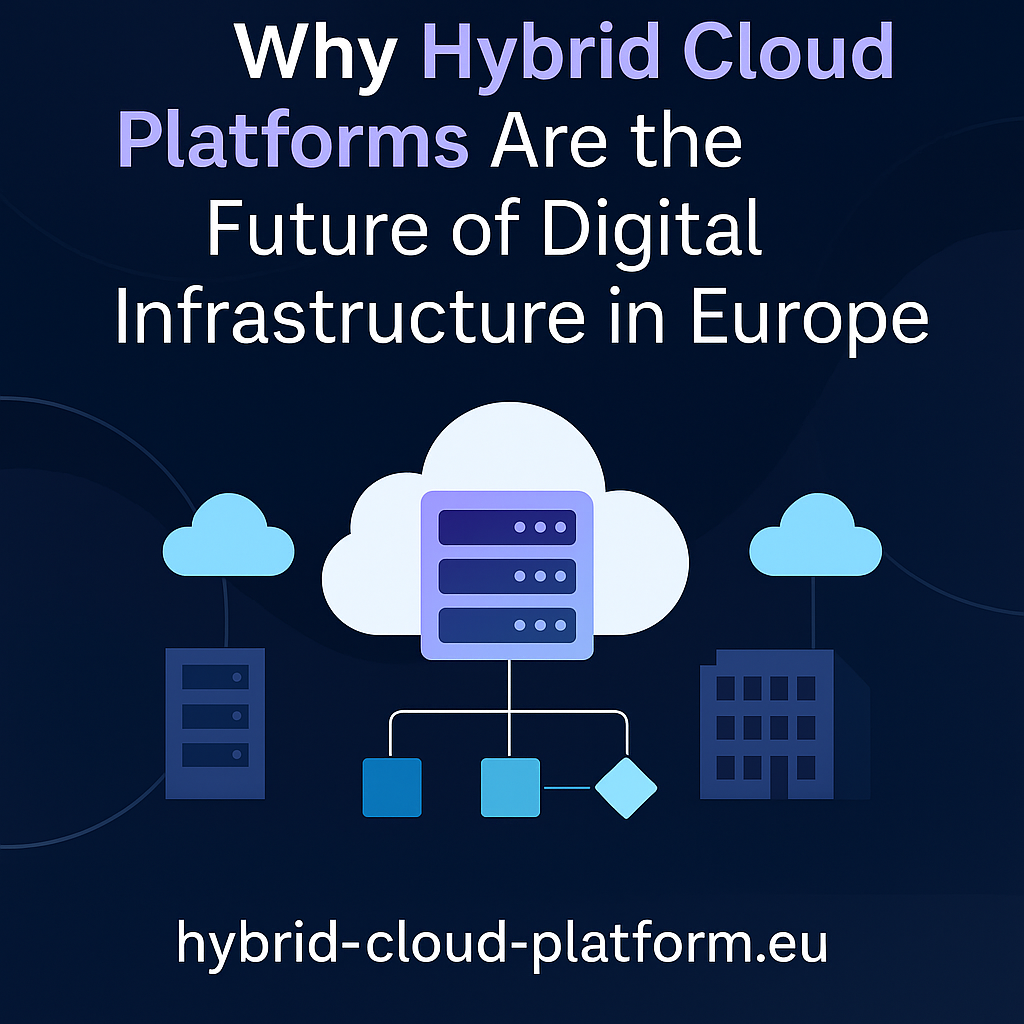
How to Integrate Private Bare Metal Servers into Your Hybrid Cloud Deployment to Cut Costs
Hey there, fellow tech enthusiasts! Today, I'm diving into a topic that's been buzzing around the IT circles lately—integrating private bare metal servers into your hybrid cloud setup. It sounds a bit complex, but trust me, it’s a game-changer for those looking to optimize their cloud strategy and, more importantly, save some serious bucks.
We all know the cloud offers flexibility and scalability like no other, but sometimes, the costs can skyrocket if you're not careful. That's where bare metal servers come into play. These are dedicated servers that provide the raw power and control you might not get in a public cloud setting. By blending them into your hybrid cloud environment, you can balance performance and cost effectively.
So, why consider this integration? Well, for starters, bare metal servers offer high performance and security, ideal for workloads that demand consistent performance or involve sensitive data. When these servers are part of a hybrid cloud, you can run specific applications or services on them, while keeping less critical or fluctuating workloads on public cloud platforms. This way, you’re maximizing efficiency and minimizing expenses.
Now, integrating these systems isn't something you can do overnight. It involves a bit of planning and understanding of both your current infrastructure and future needs. Start by assessing your workload requirements and identifying which services could benefit from the power of bare metal. Then, look into network connectivity and data management strategies to ensure seamless operation between your private servers and public cloud resources.
Security is another aspect to consider. With a hybrid approach, you get the best of both worlds: the security of private servers and the agility of public cloud. Ensuring robust security measures and compliance is crucial, especially if you're dealing with sensitive information.
Portability is also key in a hybrid cloud setup. You want to ensure that moving workloads between your environment is as smooth as possible. Look into containerization and orchestration tools to help with this transition. It’s all about making your cloud environment as adaptable and efficient as possible.
If you're curious to learn more about hybrid cloud strategies and how to implement them, LayerOps is an excellent resource. They dive deep into topics like hybrid cloud, sovereign cloud, and portability, offering insights and solutions that could transform your IT landscape.
In the end, integrating private bare metal servers into your hybrid cloud deployment is not just about cutting costs—it's about creating a robust, scalable, and secure infrastructure that meets your business needs now and in the future. So why not explore this path and see how it can benefit your organization?
Happy cloud computing!
```