The Importance of Data Localization in a Hybrid Cloud
The Importance of Data Localization in a Hybrid Cloud
Hello, fellow tech enthusiasts! Today, I want to chat about something that’s been buzzing around in the tech world—data localization in a hybrid cloud environment. It's a topic that's become increasingly significant as companies strive to balance flexibility with control over their data. Let's dive into why this matters and how it ties into the broader themes of hybrid cloud, sovereign cloud, and portability.
First off, what do we mean by data localization? Simply put, it’s the practice of storing and processing data within specific geographic boundaries. This has become a hot topic due to regulatory requirements, like the GDPR in Europe, which mandate where data can reside. But it's not just about compliance. There’s also a strategic angle—localizing data can enhance performance by reducing latency and improving access speeds. Imagine your data being right where you need it, when you need it. Pretty neat, right?
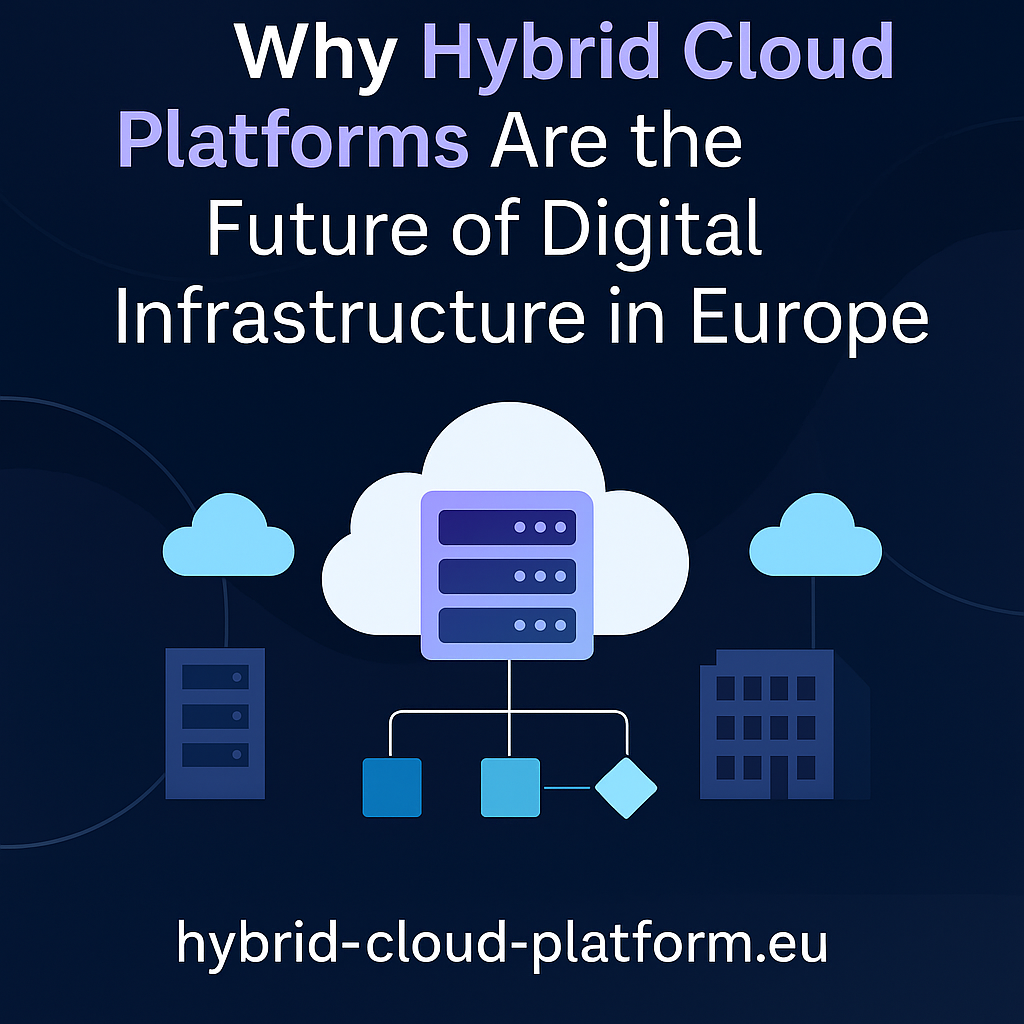
Now, when we talk about hybrid cloud, we're essentially discussing a blend of on-premises infrastructure, private cloud services, and a public cloud. This mix allows businesses to have the best of all worlds: the scalability of the public cloud, the security of a private setup, and the control of on-site data. However, this also means we need to be more mindful of where data is stored. After all, juggling these environments can be a bit tricky.
Here's where data localization gets even more interesting. With hybrid clouds, you can decide which data stays on-premises and which can be offloaded to the cloud. This not only helps with compliance but can also optimize costs and improve access times. Plus, with sovereign clouds becoming more relevant, companies can ensure their data sovereignty is maintained, keeping data within a country's borders and under its laws. This is crucial for industries dealing with sensitive information, like finance or healthcare.
And let's not forget about portability. In our fast-paced digital world, being able to move data and applications seamlessly between different cloud environments is a game-changer. Data localization can actually facilitate this. By keeping your data organized and within specific regions, it makes transferring between clouds smoother and more efficient. Think of it as having a well-organized closet where you can easily find and move your favorite items.
So, why does this all matter? Well, as companies continue to adopt hybrid cloud strategies, understanding the importance of where data resides becomes a key part of the conversation. It’s not just about keeping up with regulations—it's about crafting a strategy that makes your business more agile, efficient, and secure. And who doesn't want that?
If you're intrigued and want to explore more about hybrid cloud, sovereign cloud, or data portability, I highly recommend checking out LayerOps.io. They have some great resources and insights that can help you navigate these waters.
Until next time, keep exploring and innovating!